Our Work
At NorthEast Education Initiatives, our work centers on one simple truth: when families are empowered, students thrive. We partner with parents, educators, and communities to bridge the gap between what students need and what schools provide — helping ensure that every child receives the support, recognition, and opportunity they deserve.
We are beginning this work in Pennsylvania, building a strong, family-centered model that we can thoughtfully expand to other Northeast states in the coming years.
Through our three core initiatives — P.A.T.H. (Special Education & Family Navigation), V.I.B.E. (Visual Impairment & Blind Education), and S.A.F.E. (Student Advocacy for Fair Education) — we turn that belief into concrete support for real families in real schools.
V.I.B.E. Initiative
Visual Impairment & Blind Education
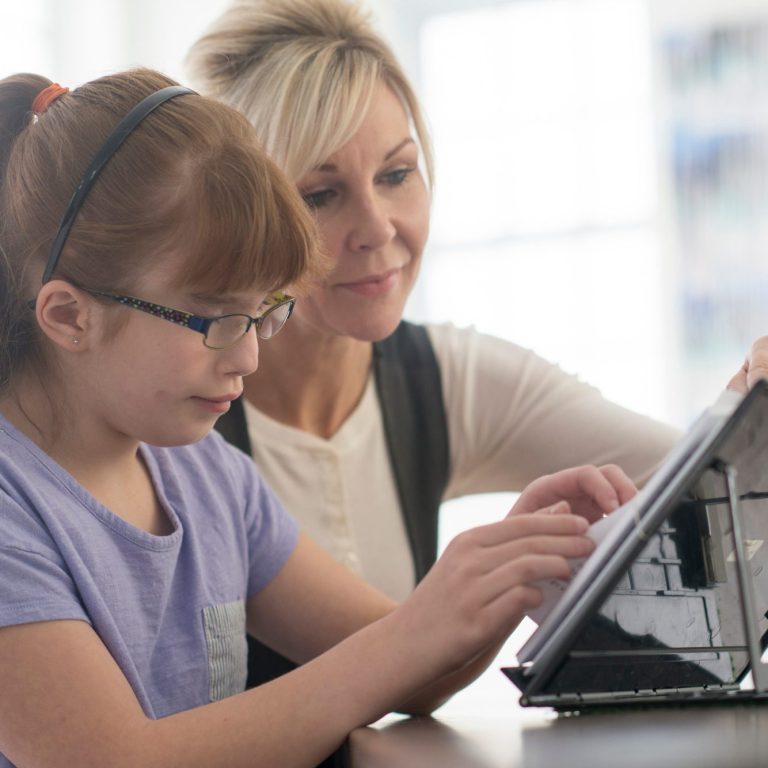
Our V.I.B.E. Initiative was born from personal experience and a powerful mission: to raise awareness and ensure that students with Visual Impairment / Blind and Low Vision (VI/BLV) — including Cortical/Cerebral Visual Impairment (CVI) — are properly identified, supported, and included in every aspect of their education.
We advocate for school systems to recognize CVI and other VI/BLV needs as visual disabilities that require specialized evaluation and access supports, not just a quick vision check. That means appropriate assessments, individualized accommodations, and instructional strategies developed with input from qualified VI/BLV professionals.
Through training, collaboration, and direct family navigation, V.I.B.E. helps families understand their child’s visual profile, supports schools in creating accessible learning environments, and works to expand access to truly VI/BLV-competent evaluation and services. Our goal is simple: to create a world where children with VI/BLV are not only seen, but truly understood.

S.A.F.E. Initiative
Student Advocacy for Fair Education
The S.A.F.E. Initiative was created to ensure that every child has access to a learning environment rooted in fairness, understanding, and emotional safety. Inspired by our daughter Ilsa’s experience, SAFE supports students and families navigating school-based trauma, bullying, exclusion, or systemic neglect.
Through advocacy, education, and connection, SAFE helps families:
- Tell and document their child’s story in ways that center the student and avoid re-traumatizing them.
- Understand their options inside and outside the school system, including what meaningful repair, safety planning, and accountability can look like.
- Connect with trauma-informed professionals—such as counselors, advocates, and when appropriate, legal partners—who understand how deeply emotional well-being impacts learning.
At its core, SAFE is about more than responding to crisis; it’s about changing the culture of care in education. By promoting fairness, accountability, and emotionally safe practices, we work to make schools safer places for every child to grow, heal, and be heard.
The P.A.T.H. Initiative is one of the core ways NEEI supports families in the day-to-day realities of school. It’s for parents and caregivers who are trying to make sense of evaluations, eligibility decisions, IEPs or 504 plans, behavior plans, and mixed messages from school—often while worrying about their child’s well-being.
Instead of offering one-time advice and sending families on their way, P.A.T.H. uses a case-management approach so there is continuity over time. We help families map their child’s story, prepare for evaluations and meetings, understand what’s written in IEPs and 504 plans, and communicate with schools in clear, student-centered ways.
At its core, P.A.T.H. is about making sure families don’t have to learn an entire system alone. Our goal is that families can access this kind of navigation and advocacy without cost being a barrier, supported by community care and shared resources.
P.A.T.H. Initiative
Special Education & Family Navigation
We believe lasting change happens when communities come together. Our goal is to build stronger, healthier connections between families, schools, and community partners — because when parents, educators, and students work in real partnership, everyone wins.
Through outreach, listening sessions, and collaborative projects, we help schools better understand what families are experiencing, and we help families feel more welcomed, informed, and included in school decisions.
Family Workshops

Collaborations
Empowering parents and caregivers with practical, no-jargon tools to navigate special education, understand IEPs and 504 plans, and advocate confidently for their child’s needs.
Our workshops are designed to be friendly, trauma-aware spaces where families can ask questions, learn from real examples, and leave with concrete next steps — not just more handouts.
Partnering with schools, teachers, and related service providers to strengthen awareness, accessibility, and classroom inclusion for students with diverse learning needs.
We focus on practical, student-centered solutions — from small classroom shifts to broader systems conversations — so that families aren’t carrying the full weight of change on their own.
Awareness & Outreach
Resource Building
Raising awareness about CVI, VI/BLV, special education rights, and school-based safety so families don’t have to educate systems alone.
Through storytelling, resource-sharing, and community events, we help shine a light on the barriers families face and invite schools, providers, and neighbors to be part of the solution.
Creating and sharing practical tools that families and educators can actually use — from checklists and templates to plain-language guides about rights, evaluations, and supports.
Our hope is to turn hard-earned experience into resources that make the next family’s path a little clearer and a little less overwhelming.
Community Engagement

How We Measure Impact
NEEI is building a family-centered, outcomes-focused model that prioritizes ethical support, practical tools, and real progress for students and families. As we launch and grow our programs, we pay attention to what actually changes, not just how busy we are.
We track things like:
- Families supported through navigation, advocacy, and follow-up
- Resource and training reach for educators, schools, and community partners
- Student-centered outcomes tied to safety, access, and appropriate supports
- Continuous feedback from families to refine our tools, services, and priorities over time
Our aim is simple: to make sure the stories we hear turn into changes families can feel.